

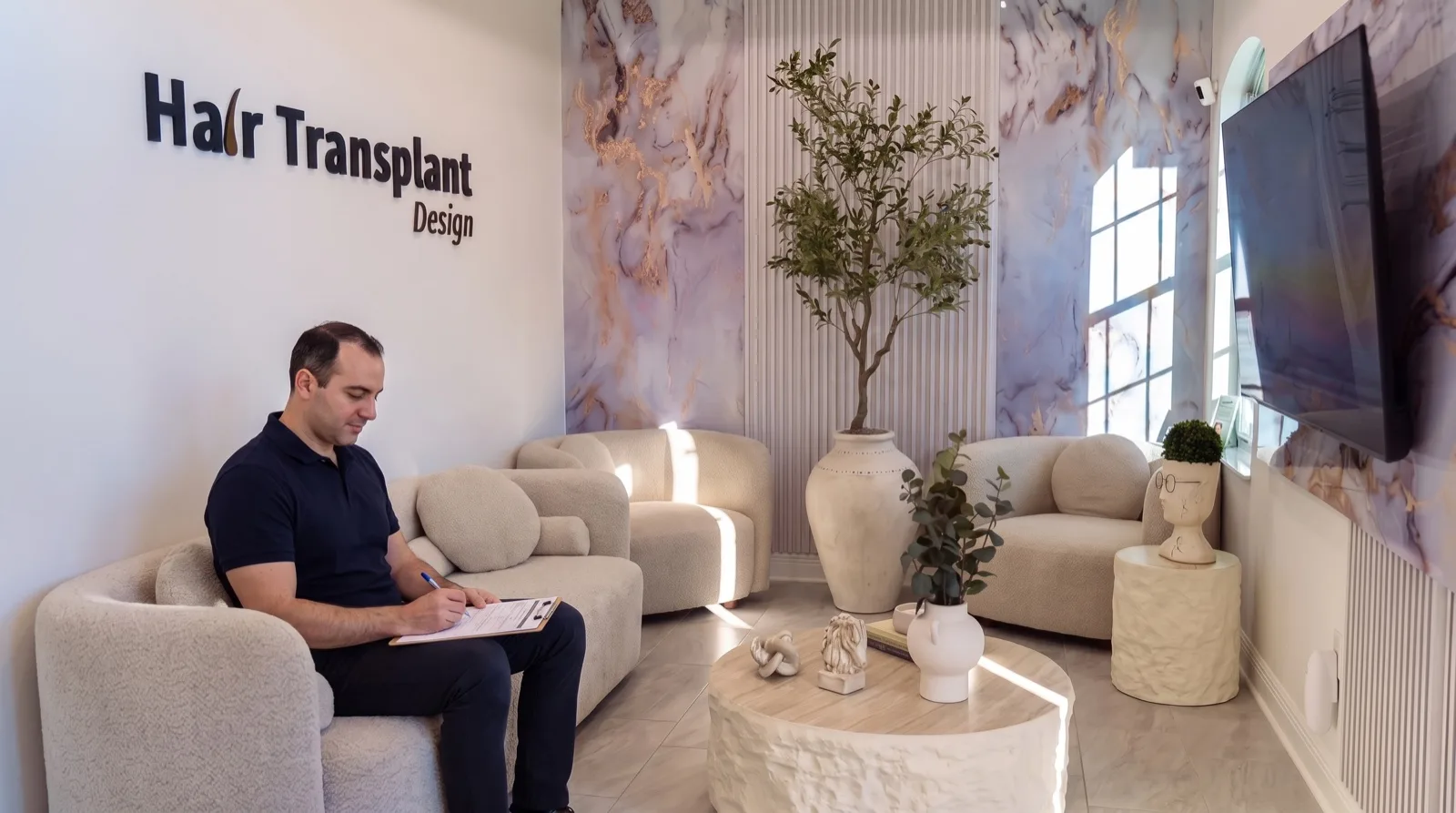
Welcome & paperwork
You arrive, complete the clinic documents, and we answer any last questions. No rush.
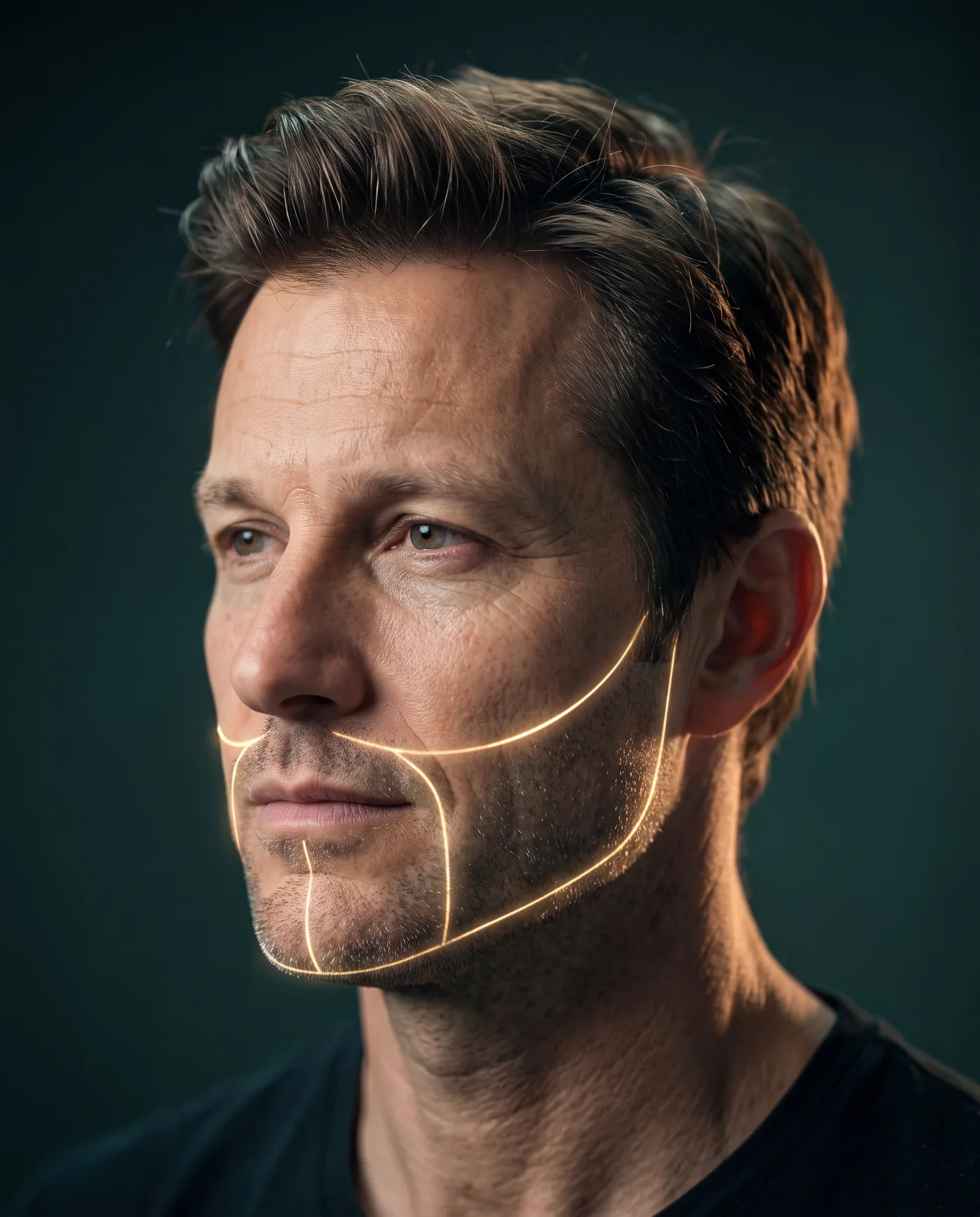
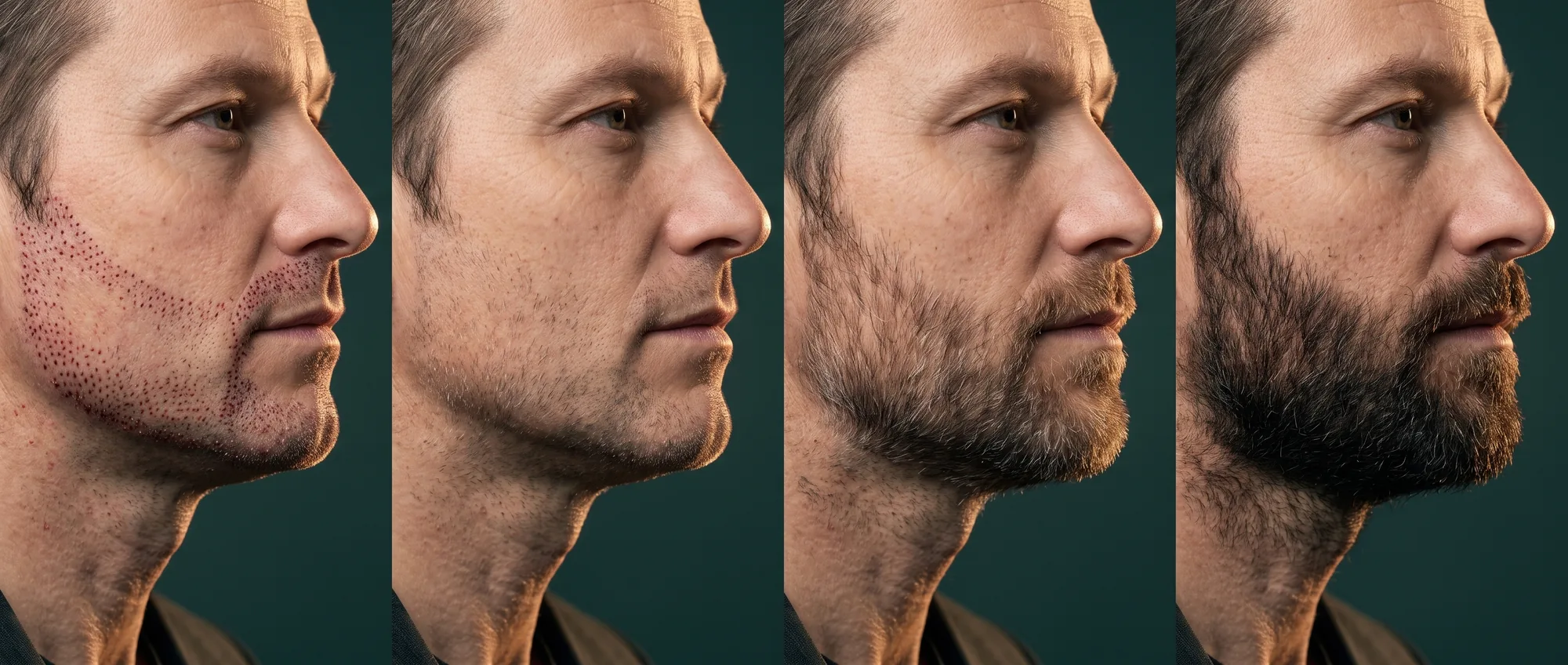
A beard transplant moves hair from the back of your head into your beard zones with FUE precision, one follicular unit at a time, at the natural angle of beard growth. It fills patchy spots or builds a full beard where genetics never did, with your own growing hair.
Bare spots on the cheeks, gaps in the goatee connection, lines that never closed. Targeted grafts blend the patches into the beard you already have. Usually 500–1,500 grafts.
Genetics never gave you one. We build the full architecture, cheek line, jawline, chin, neck border, designed for your bone structure. Usually 2,000–3,000 grafts.
Most men who ask are. What matters is the pattern you have, the donor hair you can spare, and what you want the beard to do.
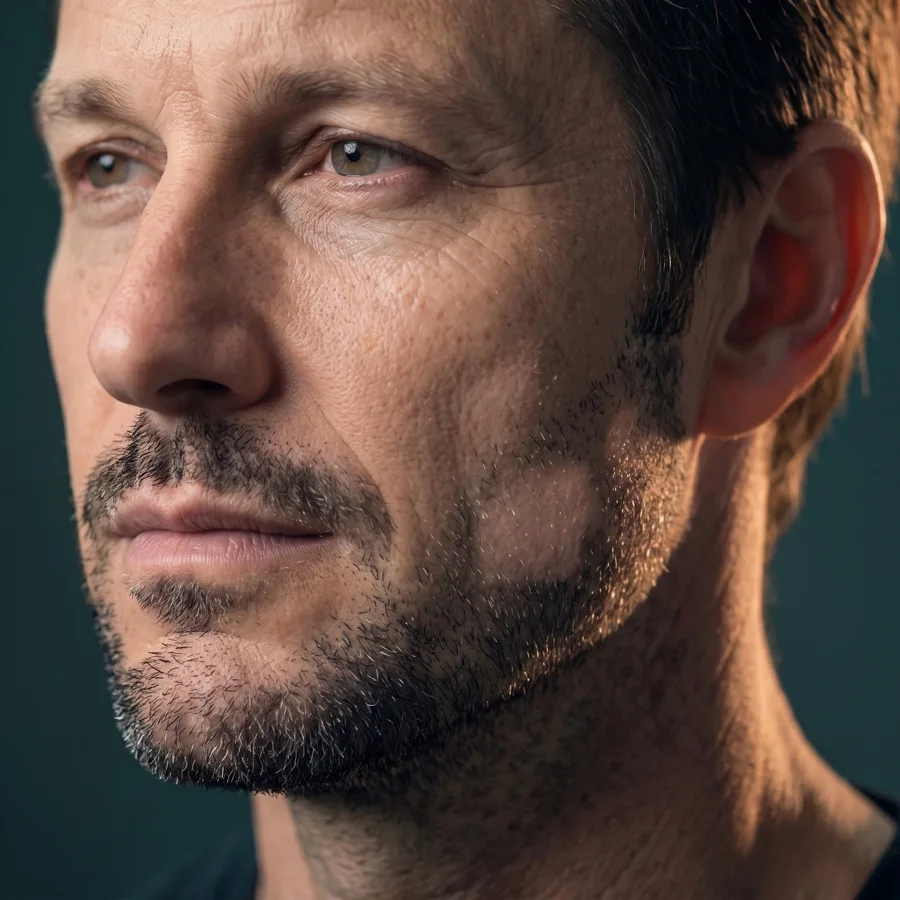
Bare spots between areas that grow fine. The most common request we get.
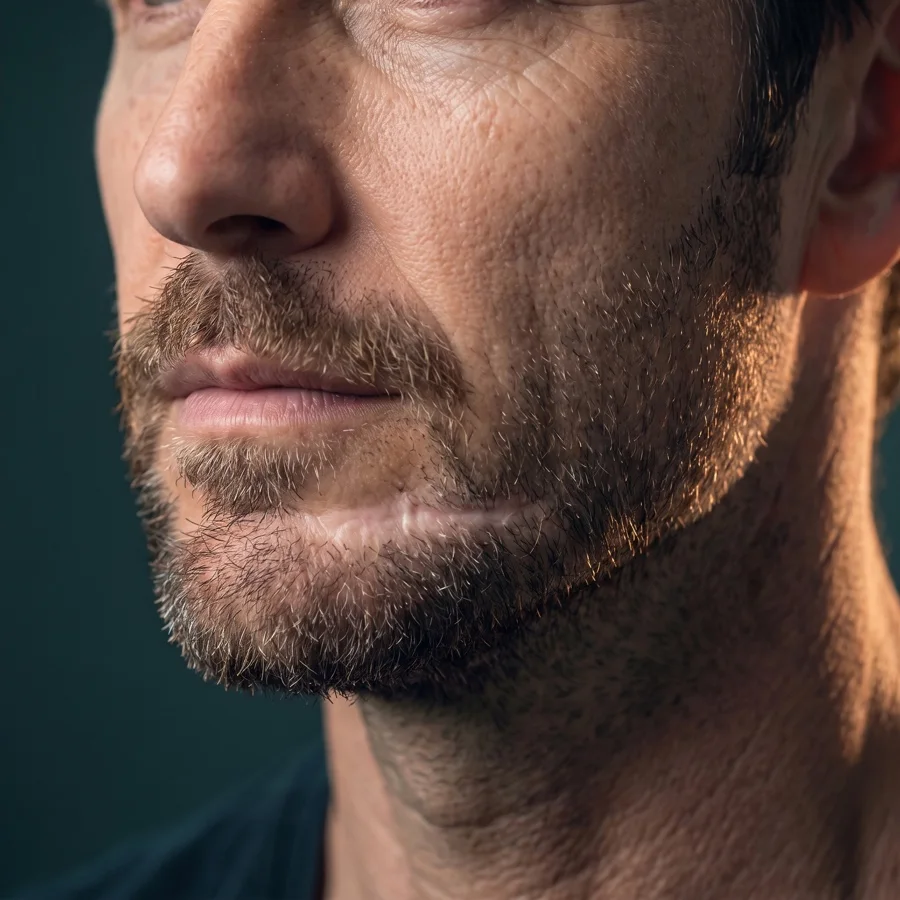
Acne, a burn, a cut or surgery left a line with no hair. Grafts grow through healed scar tissue.
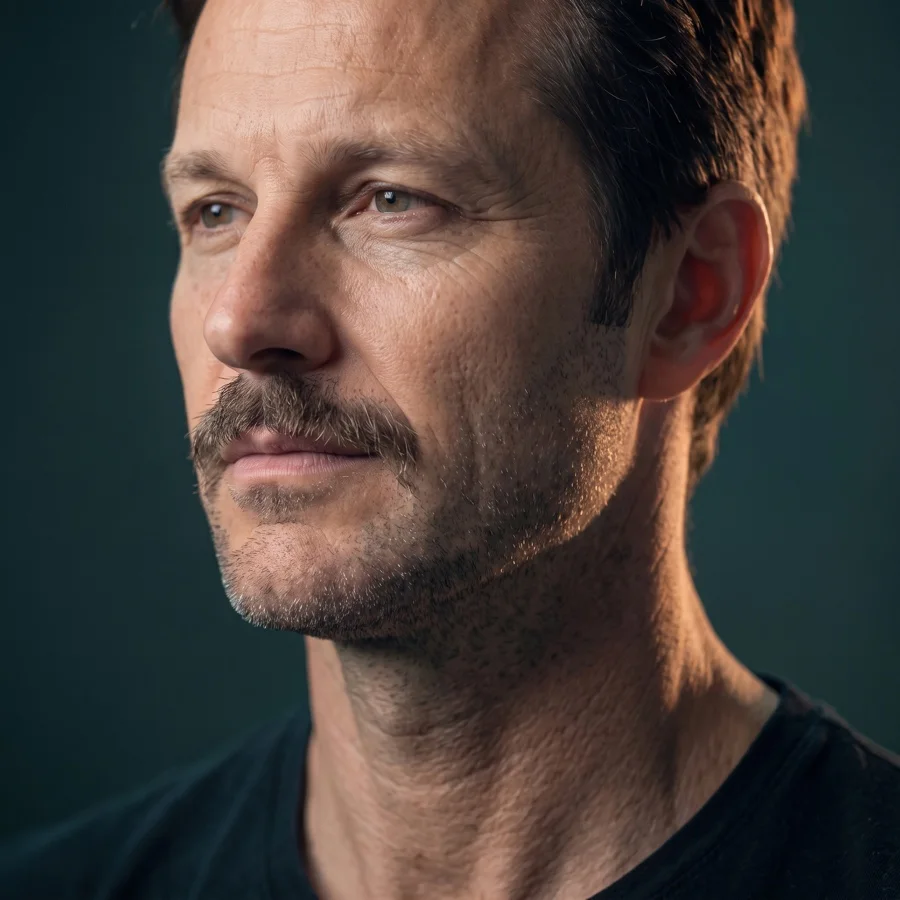
Mustache and chin never meet at the corners of the mouth.
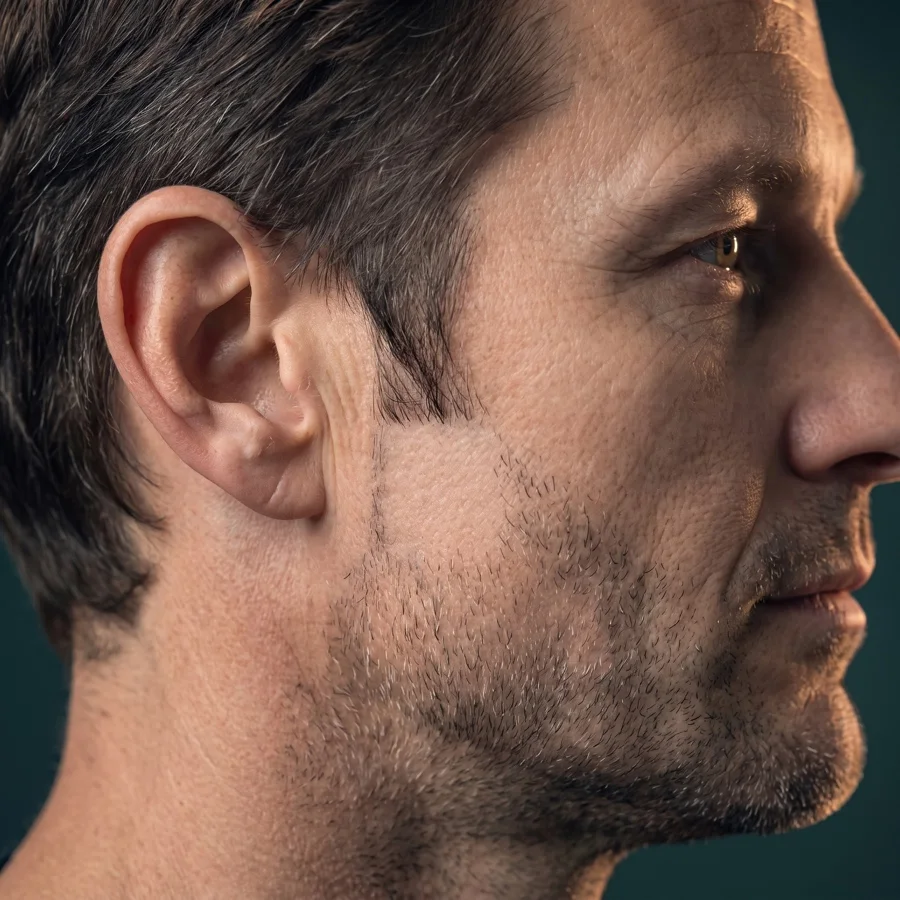
The beard does not reach the hair of the head, or thins out on the way.
Two things we check at the consultation: that your beard has finished filling in on its own, which for many men takes until the late twenties, and that the back of your head has hair to spare, because that is where every graft comes from.
Beard hair does not grow like scalp hair. Placing it the way it grows is what makes a transplant invisible.
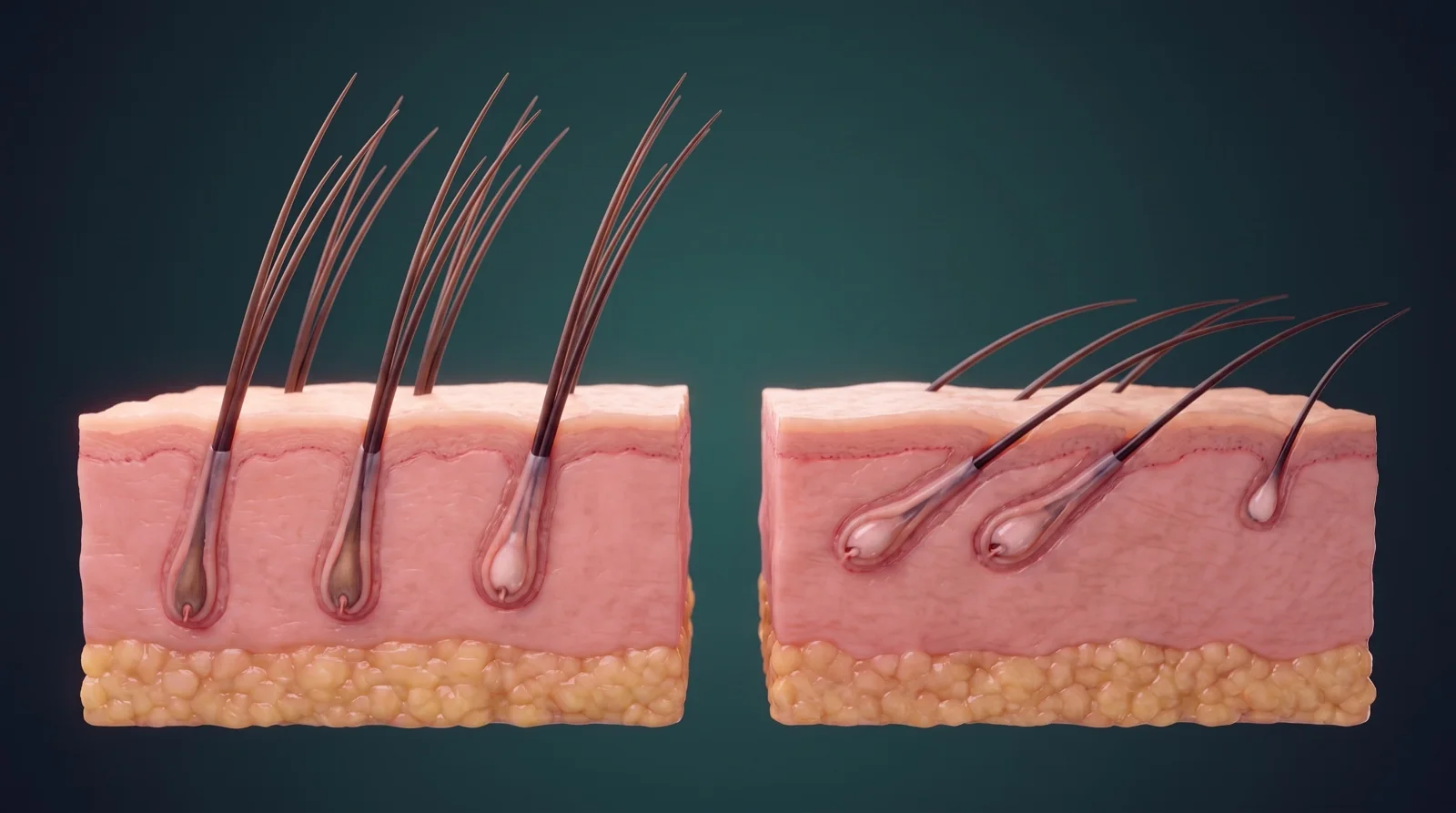

Where the hair comes from. The back of your head, one follicular unit at a time. The donor area looks untouched at normal hair length.
If you are weighing your options, this is the honest comparison:
| Beard transplant | Minoxidil | Microblading / SMP | |
|---|---|---|---|
| What it is | Your own hair, moved graft by graft | Topical applied daily (off-label for beard) | Pigment tattooed to imitate stubble |
| Real hair | Yes, grows and shaves | Can thicken existing fine hair only | No, it is an illusion |
| Grows as your own hair | Yes | Only while you keep using it | Fades in 1–3 years |
| Works with no follicles | Yes | No, needs existing follicles | Visually only |
| Time investment | One day + recovery | Every day, indefinitely | 2–3 sessions + touch-ups |
Not sure which fits your case? The free consultation tells you straight, including when a transplant is not what you need.
No mystery, no surprises. This is exactly how your day at the clinic goes:
You arrive, complete the clinic documents, and we answer any last questions. No rush.
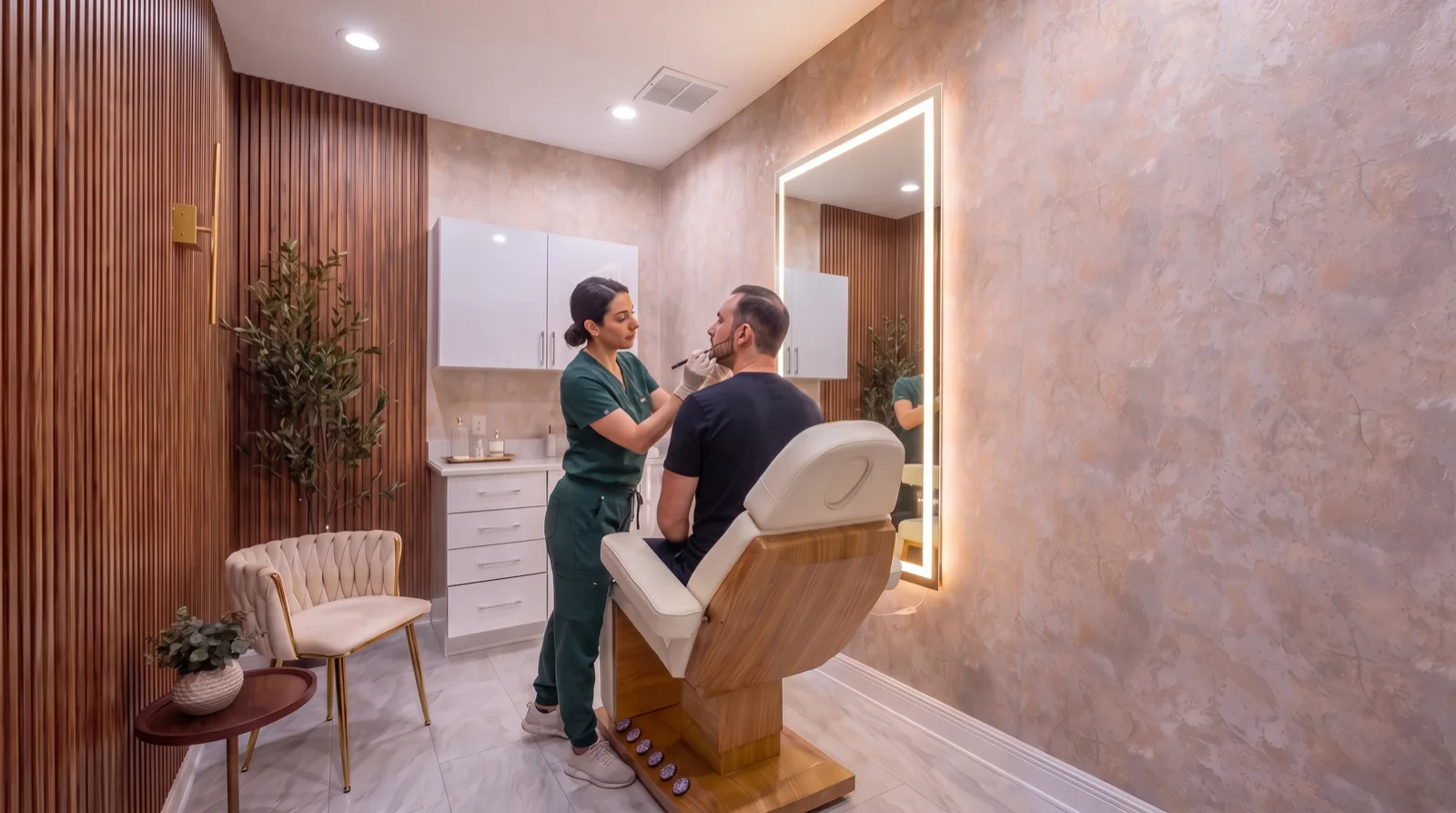
Your beard design is drawn on your face and confirmed with you in the mirror. Then we prep the donor area and apply the local anesthesia.
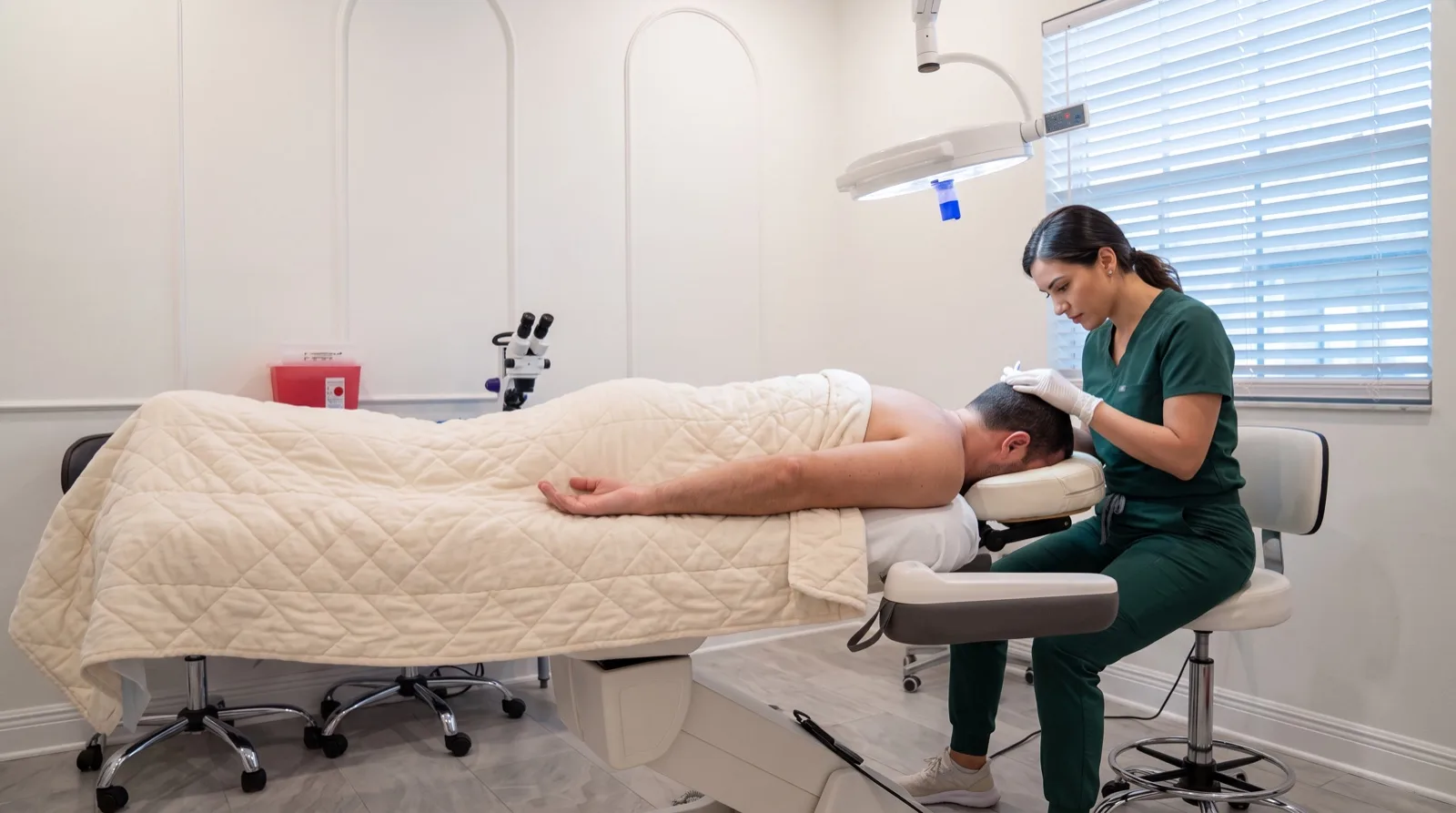
The grafts come from the back of your head, so you lie face down and rest. You are numb and comfortable; most patients listen to music the whole time.

We pause, you eat and stretch your legs, and the team preps the implantation phase.
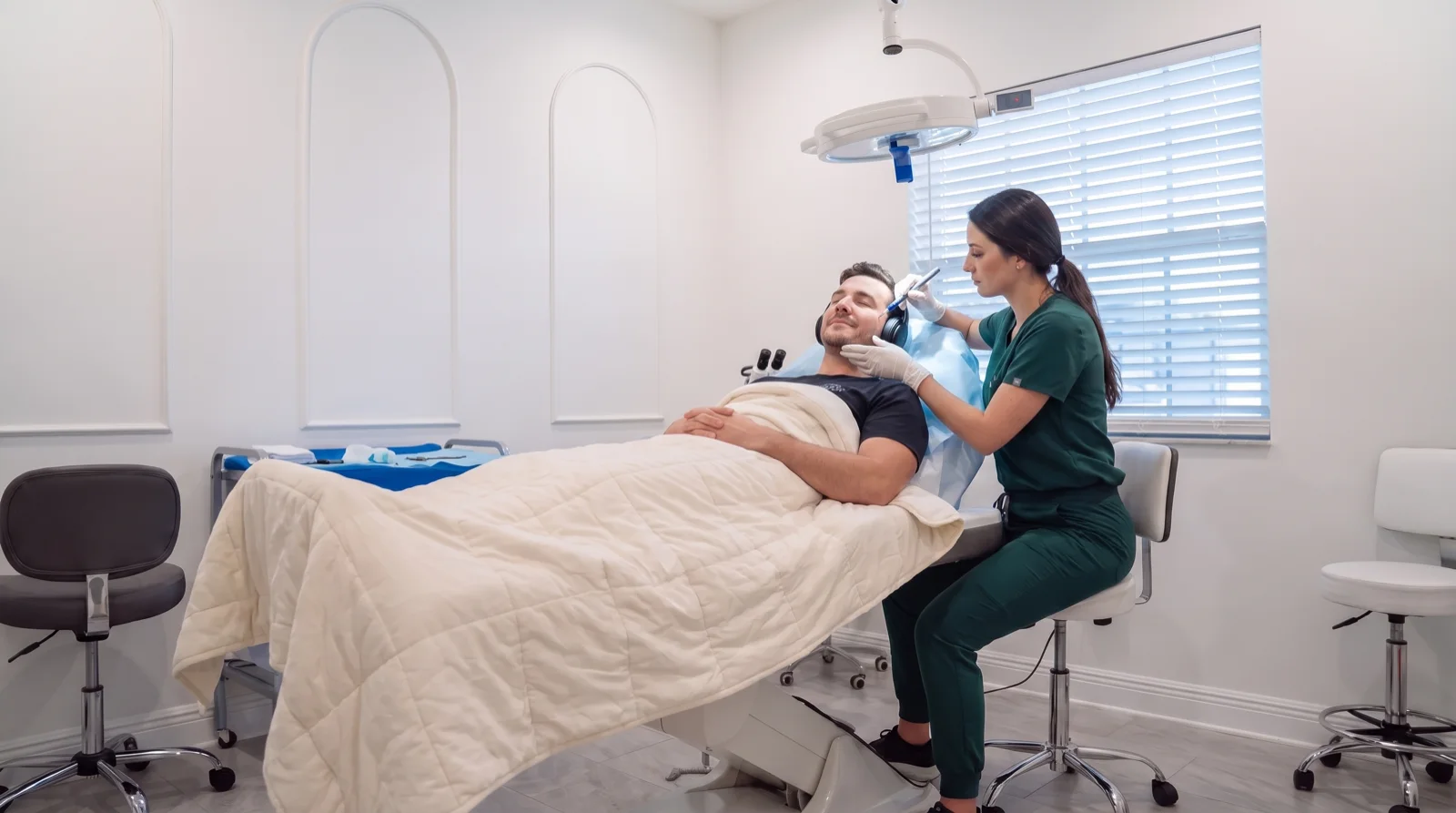
Each unit is placed at the flat, sharp angle real beard hair grows, following the design agreed in the morning.
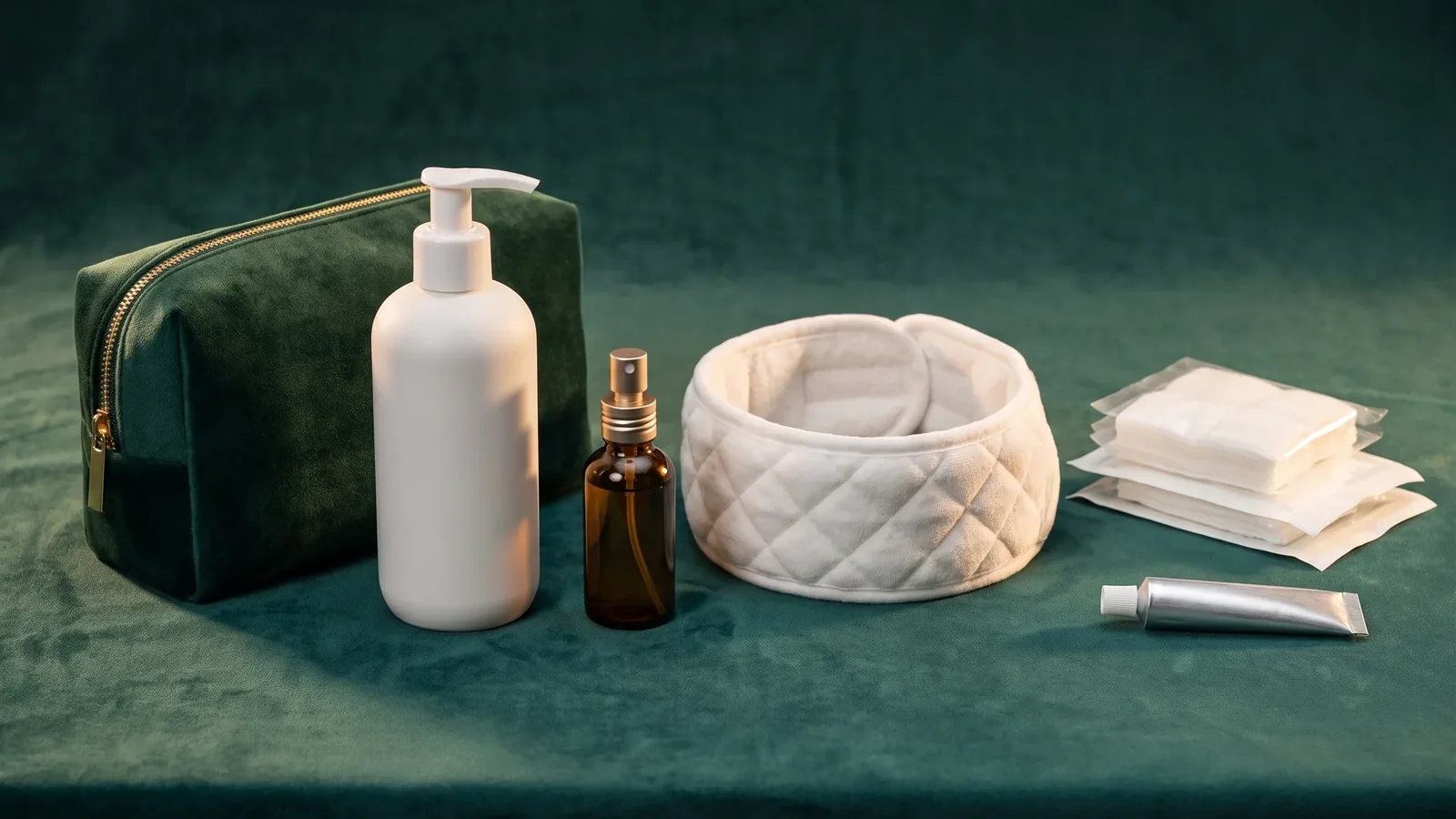
We walk you through every aftercare step and hand you your care kit: the wash shampoo and everything else your recovery needs. Then you go home.
The honest answer: the anesthesia injections pinch for a few seconds. That is the most uncomfortable part of the day. After that, you feel pressure at most. The first night brings mild soreness, covered by the medication in your kit.
Transplanted hairs shed between weeks 2 and 6. That is normal and expected, not a failure. The follicles stay anchored and the real growth builds from month 3.
Two nurse practitioners licensed for the procedure, and the two assistants who work alongside them. Facial work is slow and precise, and this is the team that does it.
 Eddy Jimenez CruzAPRN
 Jeandy B. Diaz GomezAPRN
 Alicia Marie SastreMedical Assistant
 Yraydee UrbanoClinical Medical Assistant
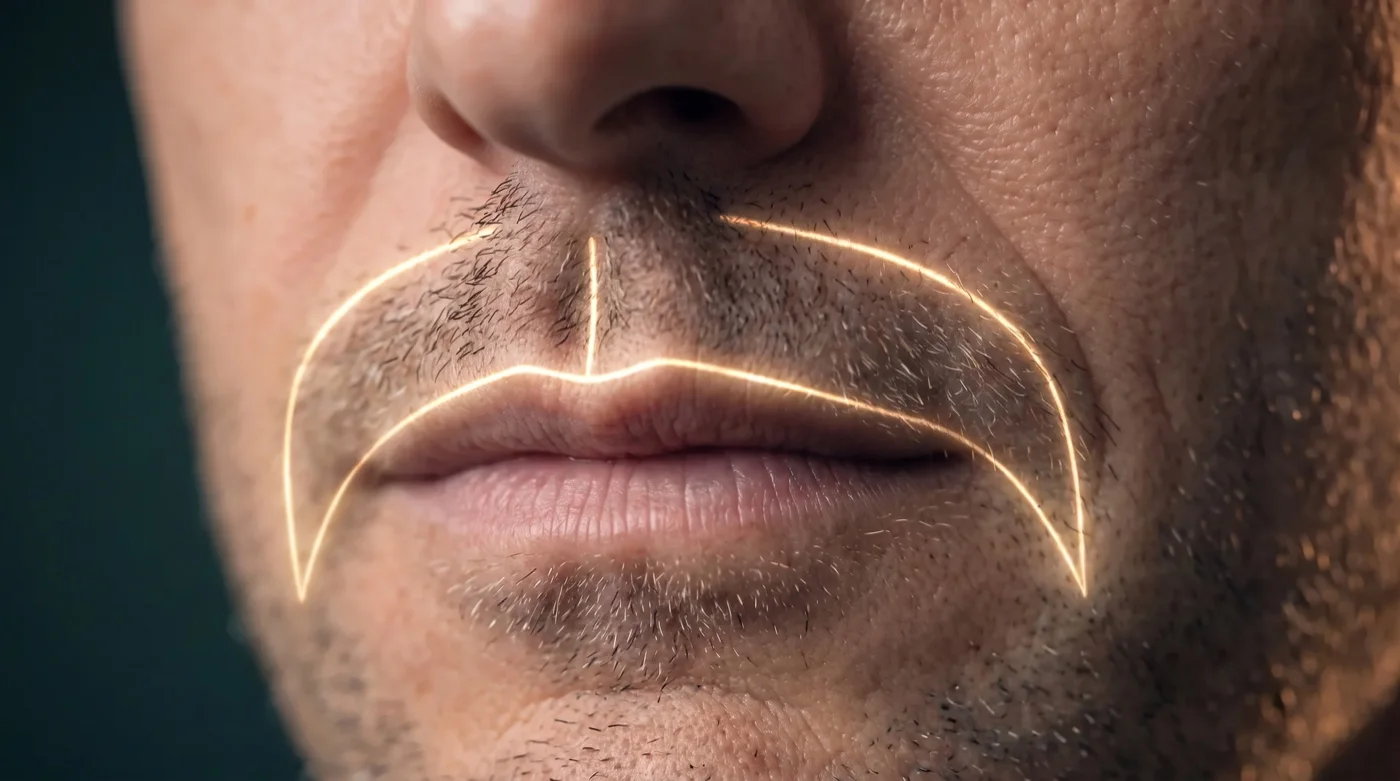
The upper lip is the most delicate zone of facial hair work, and where precision shows most.
Gaps from scarring, piercings or genetics are filled with 300–800 grafts placed one by one at the flat angle mustache hair demands, with single-graft borders so no edge ever looks drawn on. Often combined with a beard procedure in the same session.
We do not do the beard transplant and wave goodbye. Your procedure includes a follow-up program of up to five years: the same team follows your growth, adjusts what needs adjusting and answers the phone, from the first wash to the settled result.
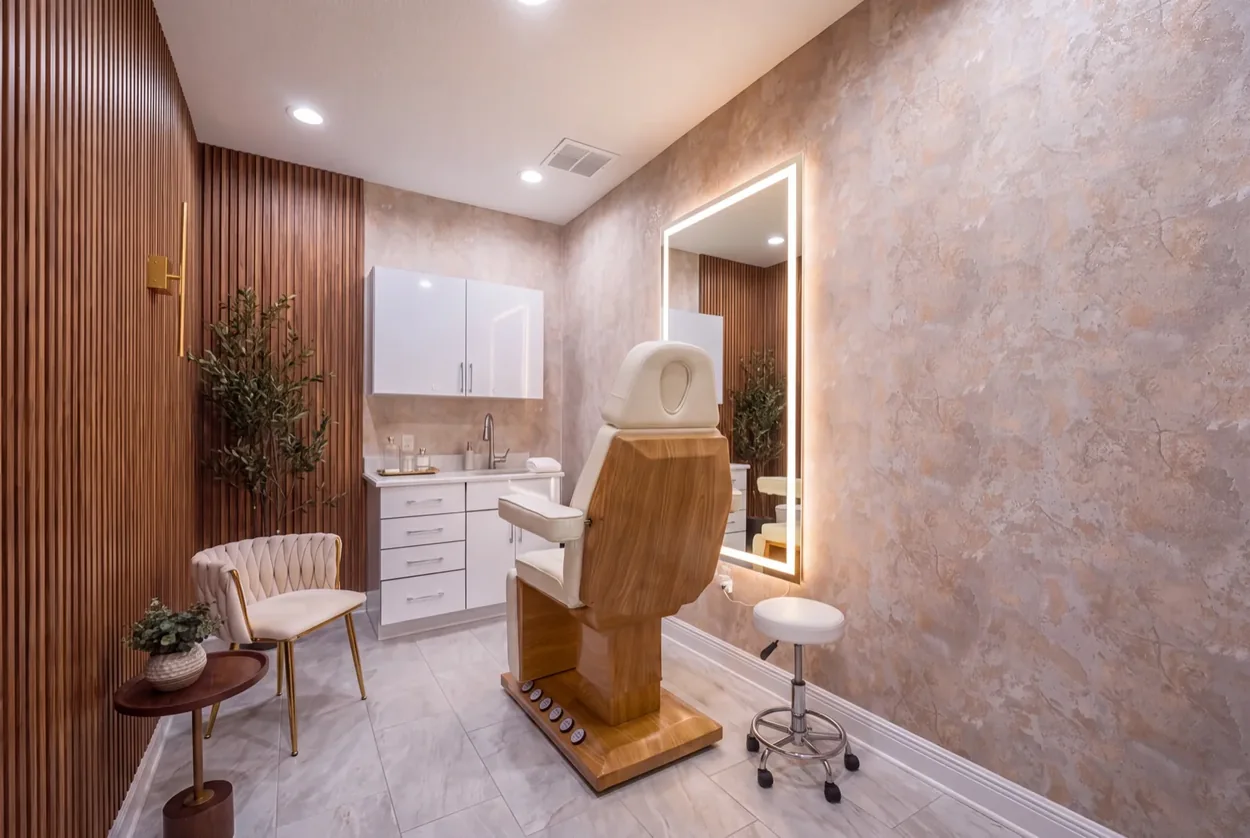
The program is part of the price of every beard transplant, whichever session size you need.
From $2.50 per graft
Beard work is more delicate than scalp work, so it is priced at our regular rate of $2.50 per graft. Your exact price depends on the number of grafts your design needs, and you get it in writing at the consultation. Included: anesthesia, the meal on the day, your recovery kit and up to five years of follow-up. Financing from $175/month.
The anesthesia pinch is the worst moment of the day, and it lasts seconds. Through the procedure you feel pressure at most. Patients watch movies or nap. First-night soreness is mild and covered by your kit medication.
Patch fills: 500–1,500. Full builds: 2,000–3,000. Mustache alone: 300–800. Your exact count comes from the free consultation, and with it your exact price.
Carefully after about two weeks, once the crusts have flaked (7–10 days) and the grafts are anchored. From then on it is a normal beard: shave it, trim it, grow it.
The first week shows redness and tiny crusts. Most patients take a few quiet days or work from home. Once grown in, naturalness depends on angles and borders, which is exactly what our design process controls. Donor hair from the head matches beard texture closely.
Mild swelling settles in a few days; redness fades over 2–4 weeks. The shedding between weeks 2 and 6 is the part nobody warns you about: it is normal, the roots stay, and regrowth starts around month 3.
No smoking for about two weeks before and after (nicotine restricts blood flow to the grafts). No alcohol the first week. Light exercise from day 7, full training at 2–3 weeks.
The grafts come from your permanent donor zone, so they keep the characteristics of that hair and they grow as your own. Risks are uncommon with an experienced team: low infection risk covered by a short antibiotic course, and occasional ingrown hairs during regrowth. Your follow-up program, up to five years, covers all of it.
From the back of your head, where hair texture most closely matches beard hair. Extraction is follicle by follicle, so there is no linear scar and the donor area looks untouched at normal hair length.
Yes, once the scar has healed. Grafts are placed into the scar the same way they go anywhere else, at a lower density on the first pass, and topped up in a small second session if the tissue asks for it. Acne scars, burns, cuts and surgical scars are the usual cases.
The hair is your own, from the back of your head, so the color matches. Scalp hair can be a little finer than native beard hair, which is one reason the densest work goes where beard already grows and the borders are kept to single hairs.
Minoxidil can thicken hairs you already have, and it is not approved for beards; what it grows depends on continued use, and it does not create follicles where there are none. A transplant moves follicles into the bare areas. Many men use both: the transplant for the gaps, and whatever their provider recommends for the rest.
Free consultation: we map your growth, draw your design and give you the exact graft count and price. No pressure, no obligation.
Schedule a CallAccessibility
Text size
Saved on this device only. If something here does not work for you, call 813-773-8013 or email info@hairtransplantdesign.com and we will fix it.