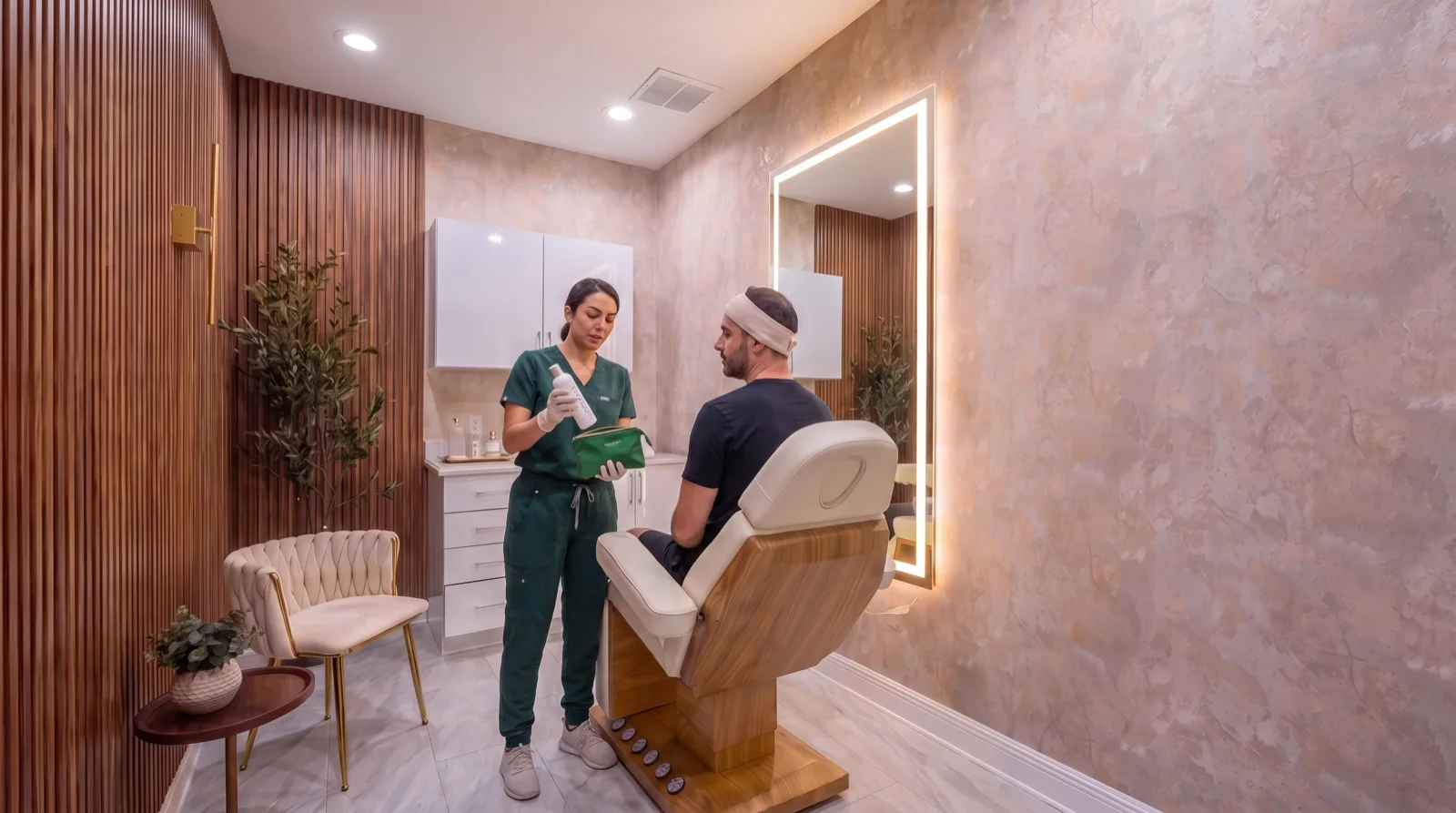
Recovery is not complicated, but it rewards knowing what happens when. Before you go home we walk you through every step, you leave with your kit and written instructions, and this page is the same guide: how to wash, how to sleep, what is normal at each phase, and exactly when to call us instead of Google.
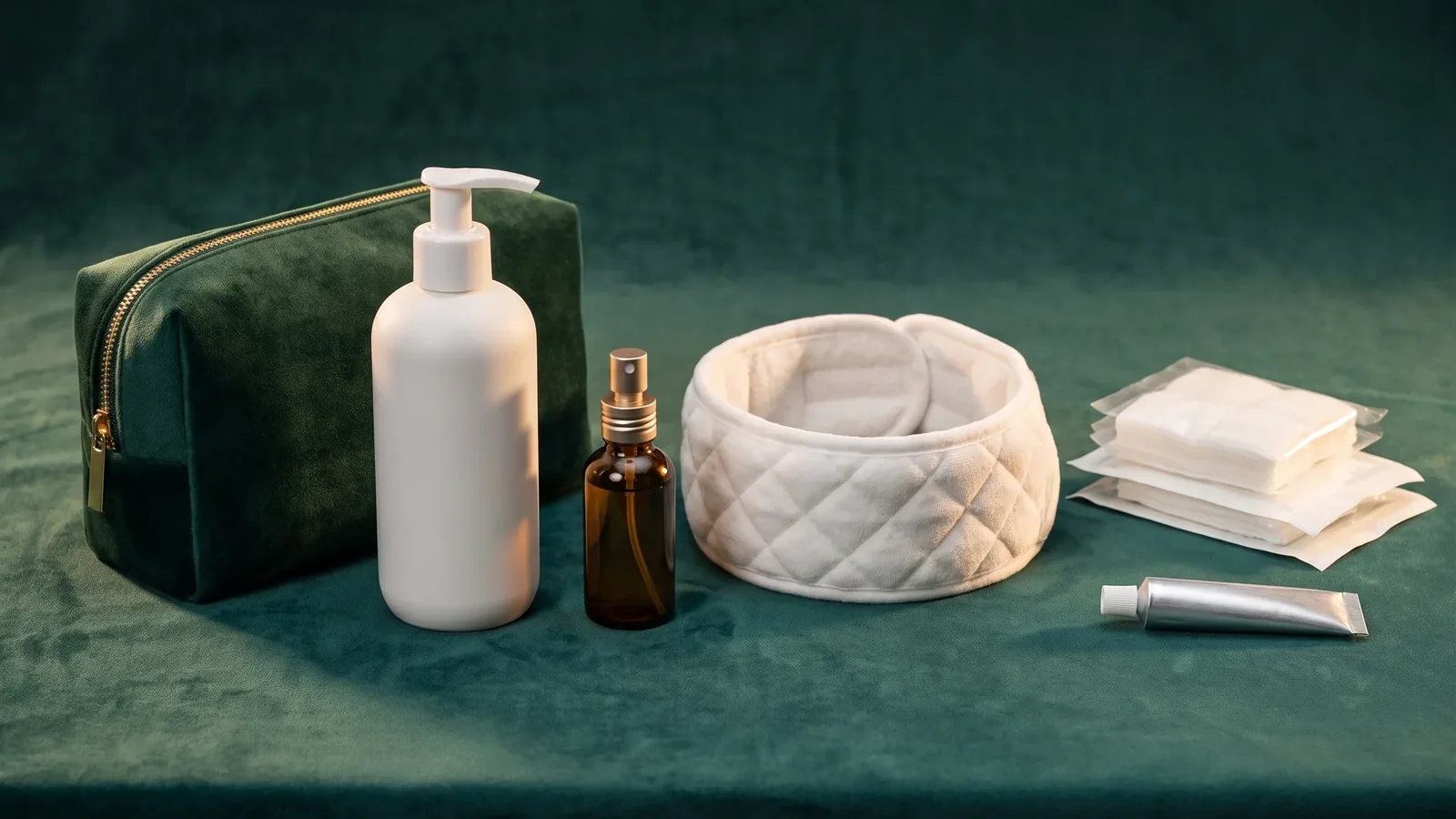
Wash shampoo. The gentle formula for the pouring technique, so you never have to guess which product is safe on the grafts.
Spray. For the implanted area between washes, as we show you: it keeps the zone comfortable and eases the itching as it heals.
Headband. Worn the first day to keep swelling off your eyes and to remind you where not to touch.
Dressings and ointment. For the donor area the first nights, exactly as instructed.
Written instructions. The same steps we walk through with you, in the pouch, so nothing depends on memory.
The kit every patient takes home. Real photo.
How to Wash Your Hair
The first wash is 24 to 48 hours after surgery, and for the first week the rule is simple: water reaches the grafts, your hands do not.
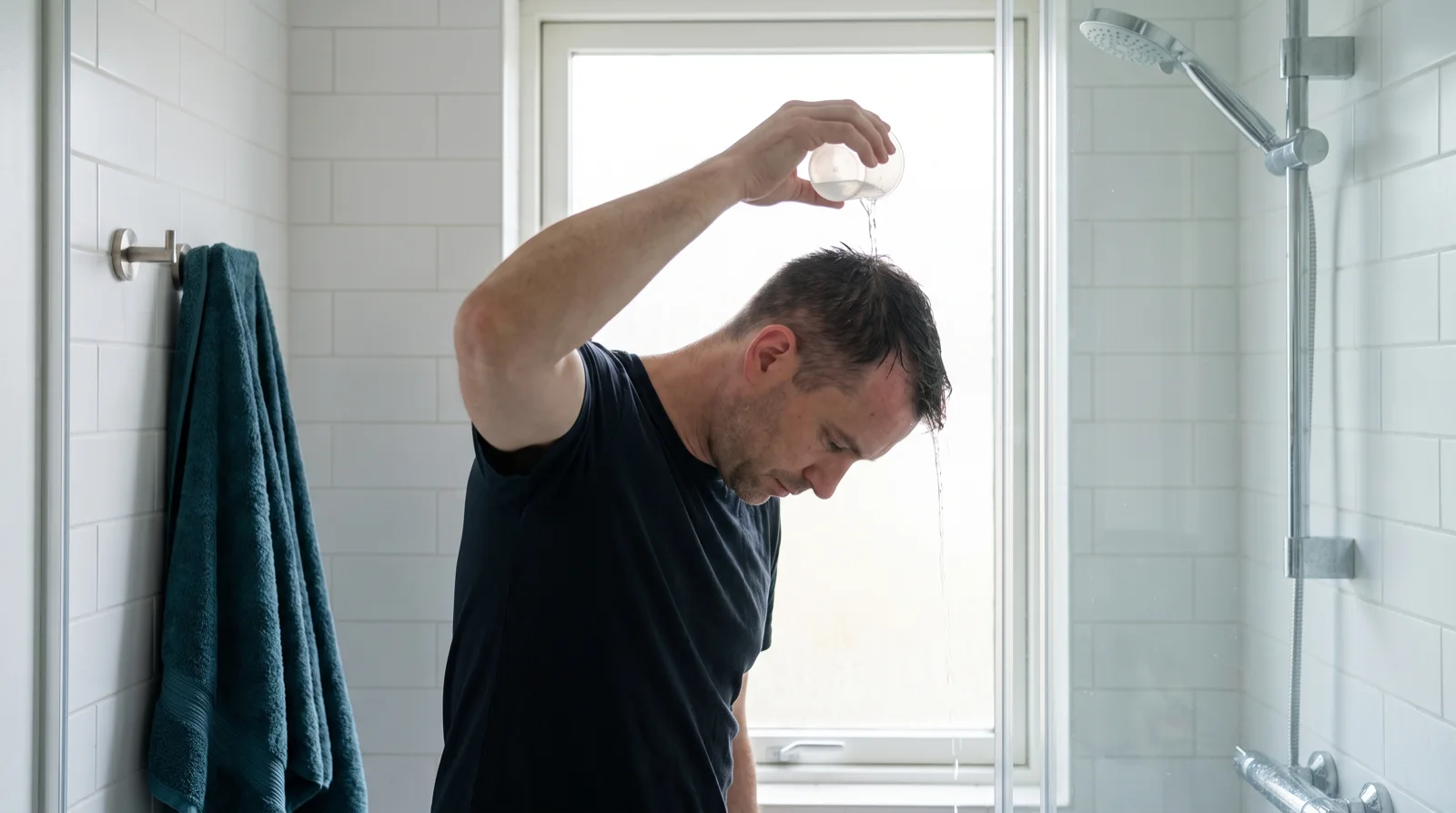
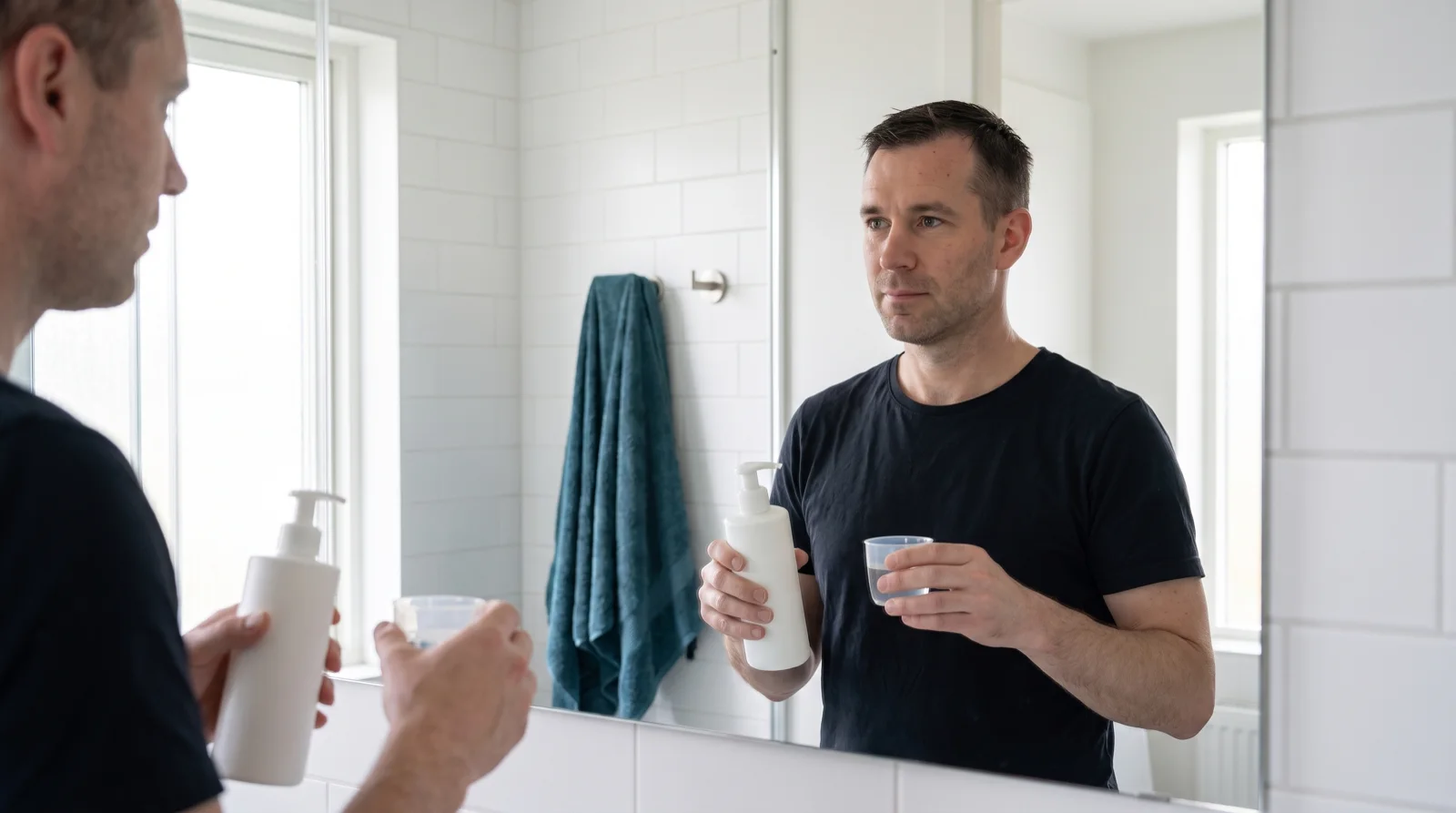
The pouring technique: a cup, lukewarm water, no direct stream and no rubbing
Mix. A small amount of the kit shampoo in a cup of lukewarm water, never hot.
Pour. Tilt your head over the sink or in the shower and let the mix run slowly over the implanted area. No shower stream on the grafts the first week.
Do not touch. No fingers, no rubbing, no scratching. The donor area at the back can be washed normally with light pressure.
Rinse the same way, with clean lukewarm water from the cup.
Pat, never rub. Let the area air dry or dab around it with a clean towel. No hair dryer.
Once a day is enough. From day 7 to 10 gentle fingertip contact is allowed; by week 2 you wash normally. The tiny crusts around each graft flake off on their own between days 7 and 14, and picking them is the one thing that can cost a graft.
How to Sleep the First Nights
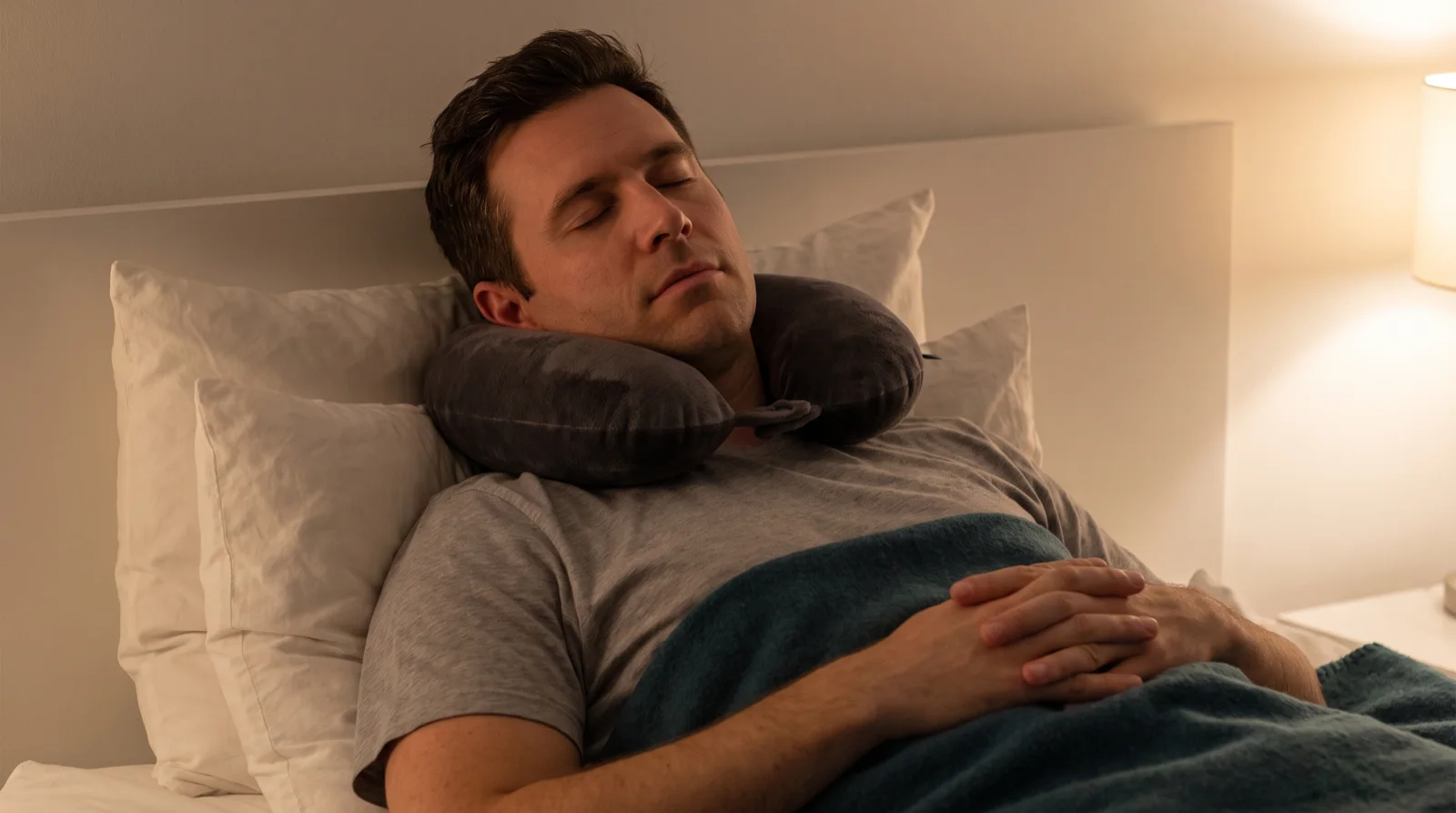
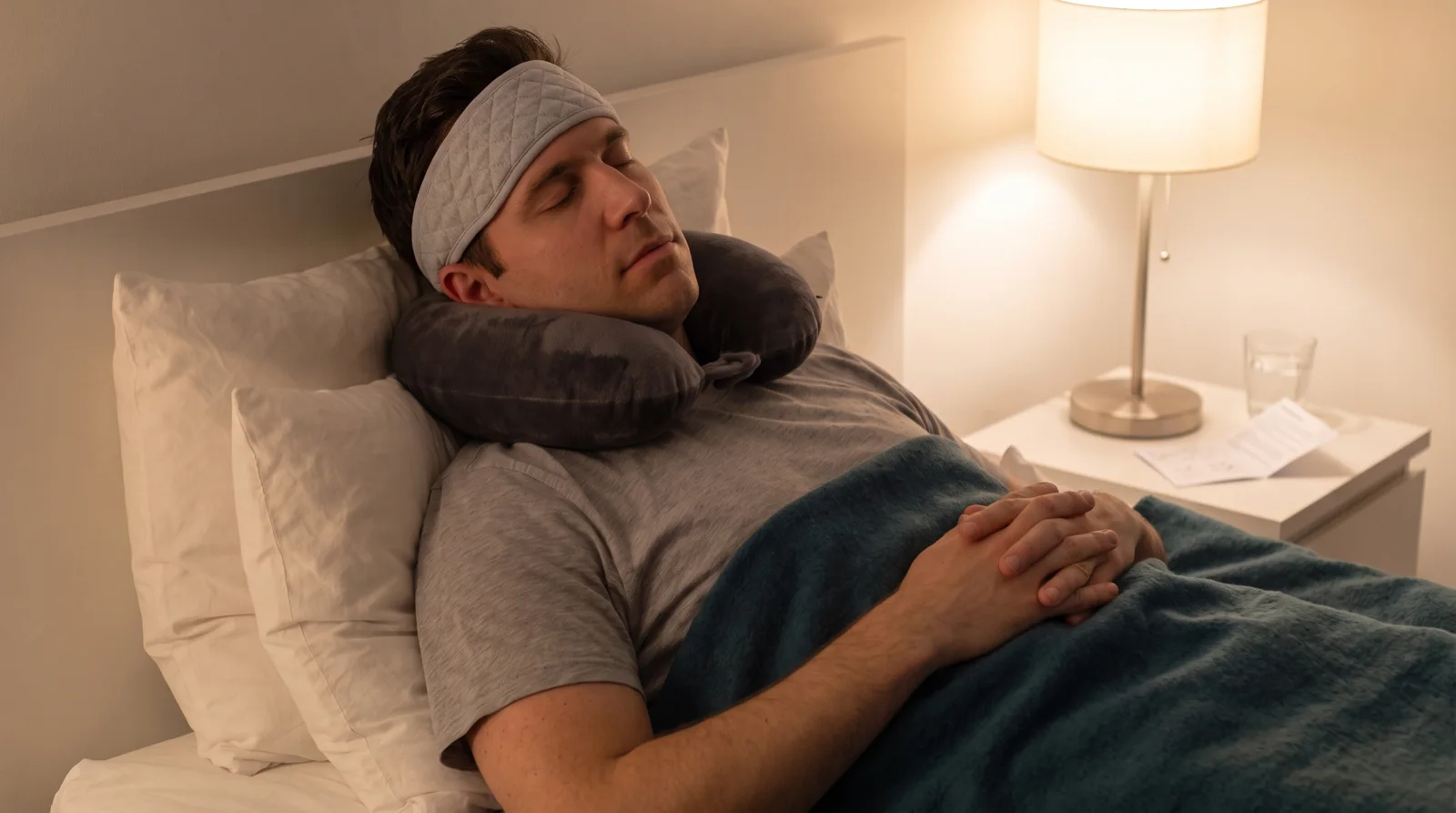
On your back, head raised at roughly 45 degrees, for the first 3 to 5 nights. Two pillows or a wedge do it.
A travel neck pillow stops your head from rolling onto the grafts while you sleep.
A clean towel under your head the first night or two, in case the donor area weeps a little.
Why the angle matters: it keeps forehead swelling down. Some swelling can still show from day 3 to 5 and clears by the end of the first week.
After the first week, once the grafts are anchored, sleep however you like.
Back, raised, and a neck pillow: the first nights in one picture
Your Recovery, Phase by Phase
Days 0–301
Protect mode
Sleep on your back with your head raised; hands off the implanted zone.
Medication as scheduled, written in your kit.
First wash 24 to 48 hours after surgery, with the pouring technique we showed you.
Mild forehead swelling on day 2–3 is normal and drains down. Desk work often resumes on day 2–3.
Days 4–1002
Wash days & crust clearing
One pouring wash a day with the kit shampoo: no shower stream on the grafts, no rubbing.
Tiny crusts dry and flake off on their own between days 7 and 14. Do not help them.
By about day 10 the grafts are anchored and the donor area is already inconspicuous.
Weeks 2–403
Back to life, and the shed begins
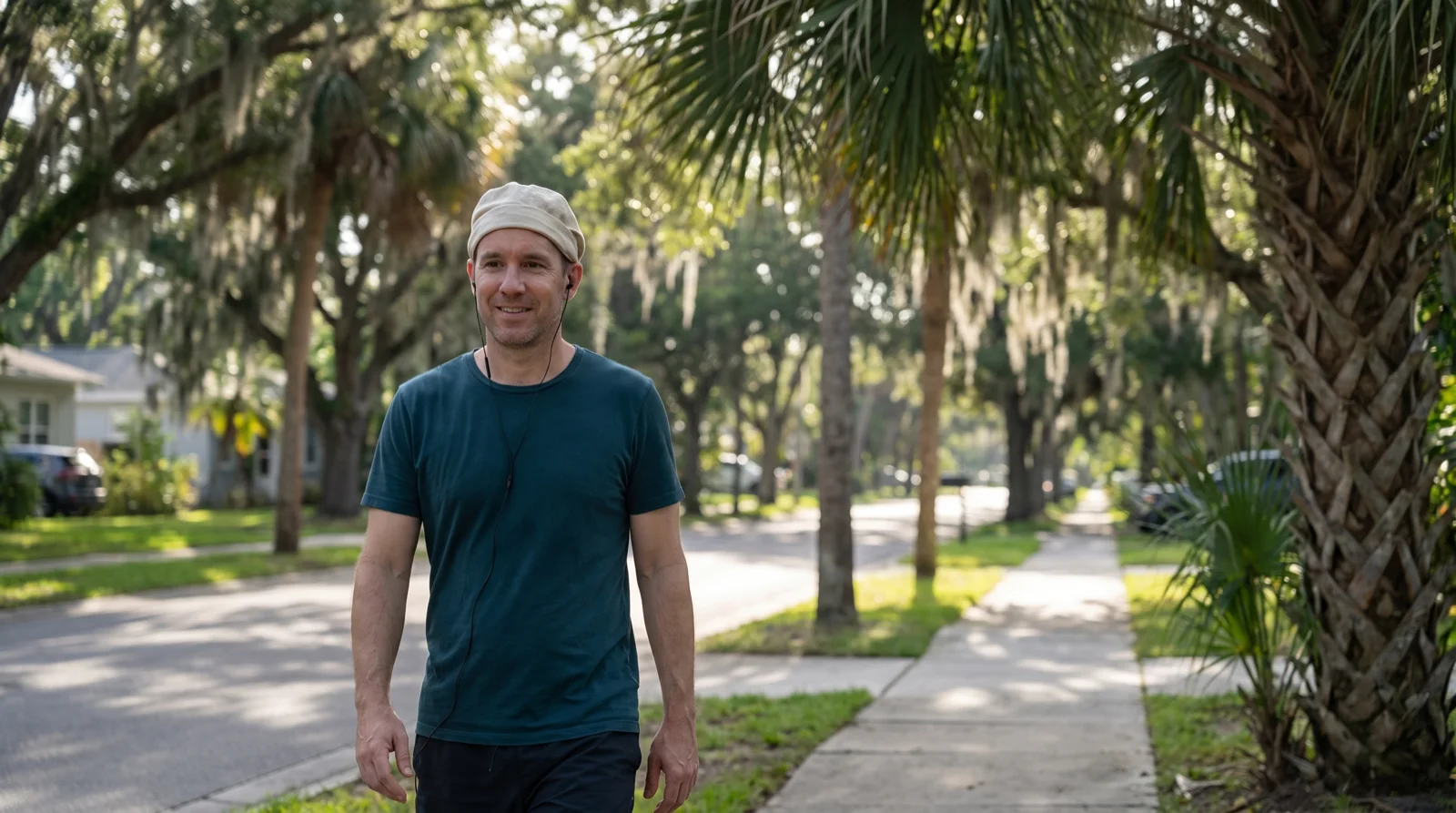
Walks from day 2, light exercise from week 2, moderate cardio in weeks 3 and 4; heavy lifting when your provider clears it.
A loose cap that does not rest on the grafts.
The transplanted hairs start falling. Normal: the follicles stay rooted and rest before regrowth. Do not panic at the shower drain.
Months 1–304
The quiet phase
The zone can look thinner than in week one: shed hairs, follicles resting. This phase tests patience.
No direct sun on the area; hat outdoors, sunscreen once the skin has healed.
Your support plan if prescribed. PRP sessions land well here.
Months 3–605
Growth begins: feed it
New hairs come in fine and soft, then thicken cycle by cycle, starting around 10 weeks to 4 months.
Nutrafol®, the 100% drug-free supplement we partner with, shown in clinical studies to improve hair growth, works on the same 3–6 month timeline as your regrowth.*
First haircut with scissors once we clear it, usually well inside this phase.
Months 6–1206
The result settles
Density builds month over month, about 60 to 70 percent of the final result by month 6; texture matures from soft to normal.
Photos at your follow-ups document the curve; the 12-month visit documents the result.
*These statements have not been evaluated by the Food and Drug Administration. This product is not intended to diagnose, treat, cure, or prevent any disease. We are an official Nutrafol® partner and may be compensated for purchases.
Normal vs. Call Us
✓ Normal. Do not worry
Mild swelling of forehead/eyes, days 2–4
Itching as the zone heals (do not scratch; the kit spray helps)
Tiny crusts through day 10
Numbness or tingling for a few weeks
Shedding of transplanted hairs, weeks 2–6
A few pimples as new hairs break through, folliculitis lite
⚠ Call the clinic
Pain that increases after day 3 instead of fading
Spreading redness, warmth, or swelling that grows
Discharge from the area, or fever
Bleeding that light pressure does not stop
Anything that simply worries you. That is what we are for: 813-773-8013
The Small Questions Everyone Googles
How do I sleep?
On your back, head raised at about 45 degrees, for the first 3 to 5 nights. A travel neck pillow or two firm pillows keep you from rolling onto the grafts. After the first week, once the grafts are anchored, sleep however you like.
When can I wear a hat?
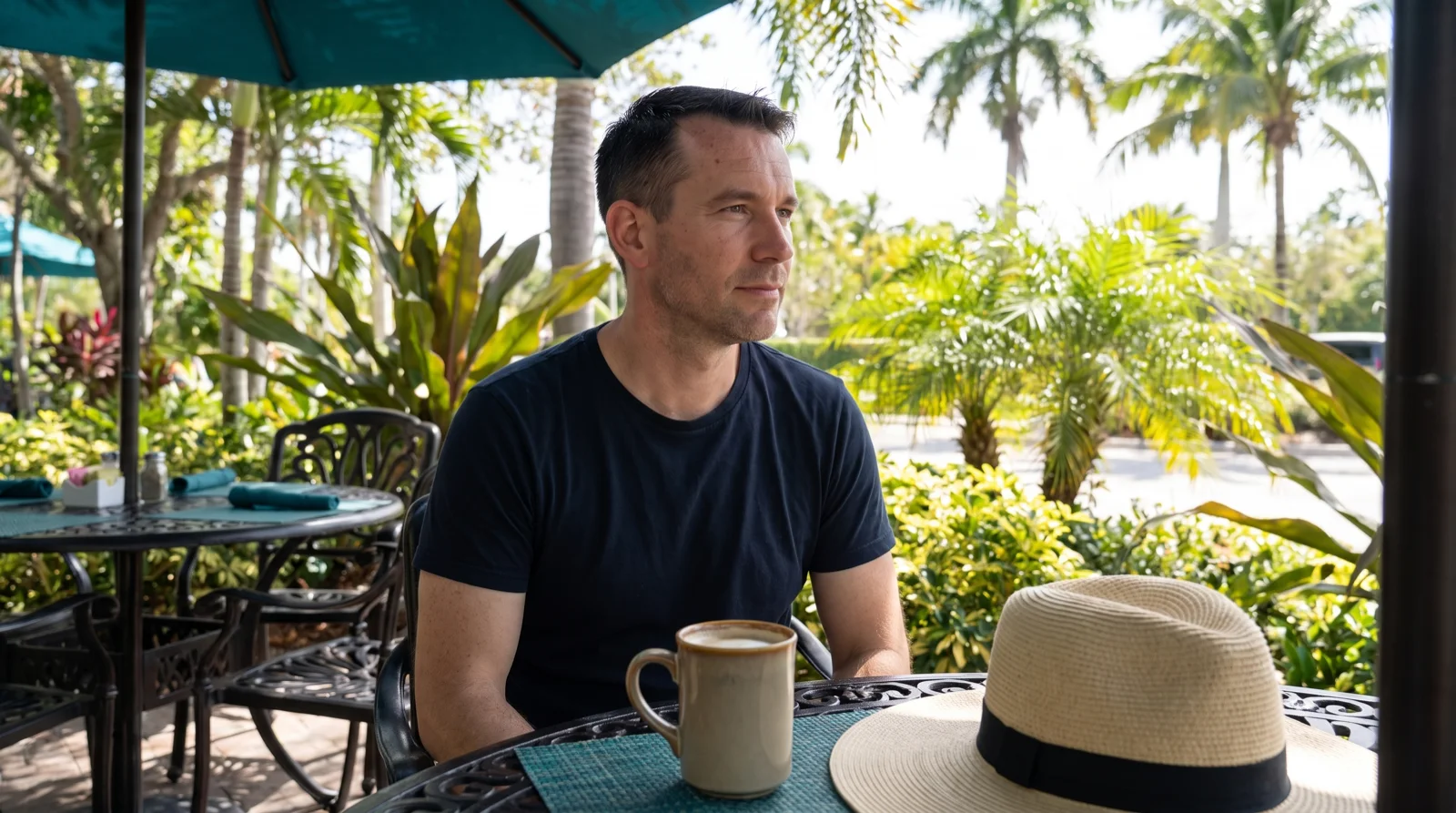
For sun outdoors, a loose, clean cap that sits above the grafts can go on early; anything that rests on them waits until they are anchored, about day 10. Snug hats and helmets: week 3 to 4. Bring the hat to a follow-up if you are unsure. We will fit-check it in ten seconds.
Gym, pool, sauna: when?
Walks from day 2, light exercise from week 2, moderate cardio in weeks 3 and 4, and heavy lifting a few weeks after that, when your provider clears it. Pools, sea and saunas wait at least 4 weeks. Chlorine, bacteria, sweat and heat are all graft enemies in the early weeks.
Sun exposure?
Florida rule: no direct sun on the scalp for the first month, shade and a loose hat outdoors; sunscreen only once the skin has healed, about two weeks in. Sunburn on a healing scalp sets recovery back weeks.
Smoking and alcohol?
No smoking for at least two weeks before and after; nicotine chokes the blood supply your grafts depend on, and the longer you stay off it the better. Alcohol waits at least the first week: it thins blood and dehydrates.
When is my first haircut?
Scissors on the new zone: from about 2 to 4 weeks, once everything is healed. Clippers and razors wait about 3 months. The donor area can be trimmed earlier, ask at your follow-up.
Where these timings come from
Bernstein Medical, After FUE Hair Transplant: head elevated the first nights, washing from the morning after, grafts permanent at 10 days, no alcohol 3 days, no smoking 2 weeks, growth from about 10 weeks. Accessed September 6, 2026.
Shapiro Medical Group, Post-Operative Care Instructions: 45-degree elevation 3 to 5 nights, first wash at 24 to 48 hours, crusts gone by 2 weeks, pools 4 weeks, shedding weeks 2 to 6, 60 to 70 percent of density by month 6. Accessed September 6, 2026.
Clinics differ on some dates, so where they disagree we give the range and your provider gives you your dates, written, before you leave.
Up to Five Years of Follow-Ups, Included
You are never recovering alone: scheduled check-ins, photo tracking and a phone number that answers, for up to five years after your transplant. That is the difference between a procedure and a plan.